One operator, five drills: autonomous blasthole drilling scales up
An iron ore operation now runs its entire drill fleet from a remote control room, with holes placed within centimetres of the blast plan.
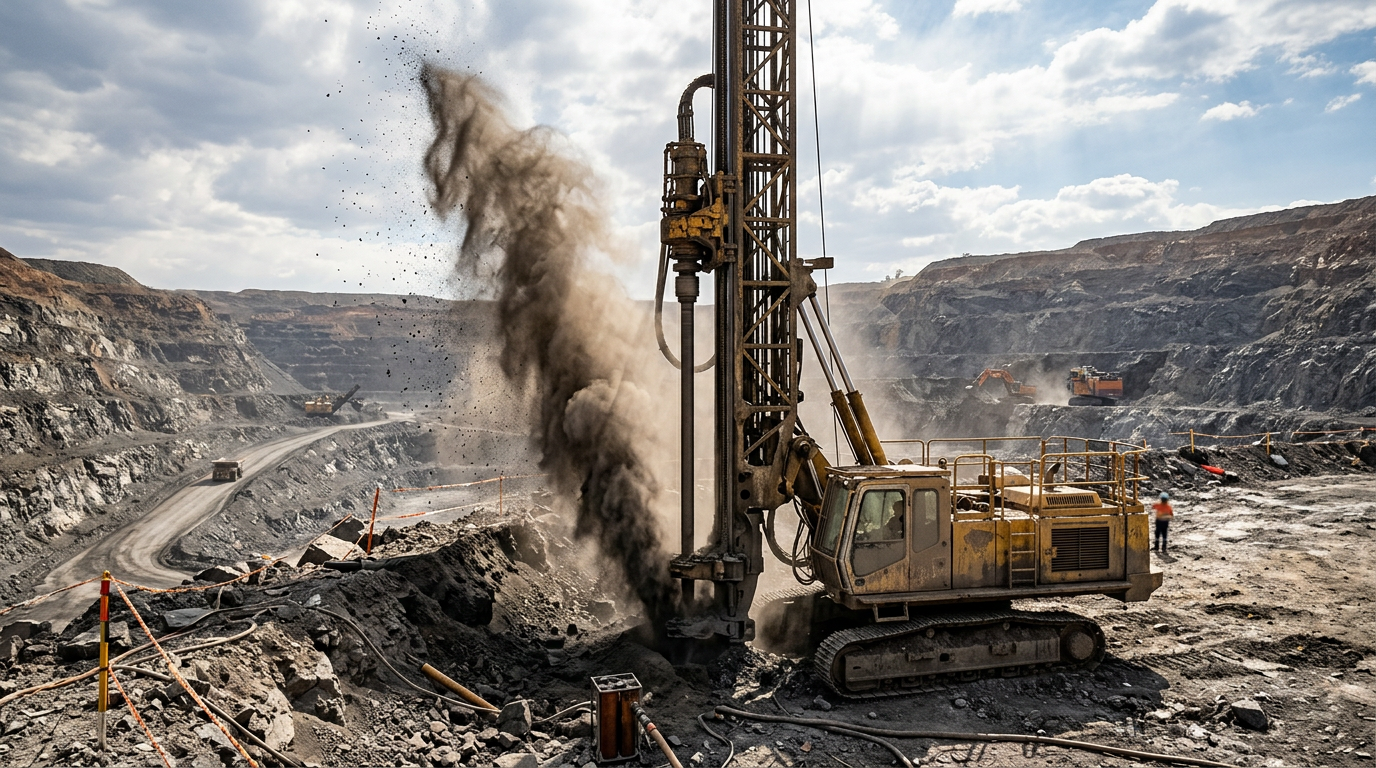
Blasthole drilling was one of the first jobs in surface mining to be automated, because the work is repetitive and the pattern is known in advance. What has changed is scale: a large iron ore operation now runs five rotary drills with a single supervisor in a control room 1,200 kilometres away.
Each drill moves between holes on its own, levels itself, drills to the planned depth, and records rock hardness as it goes. The supervisor only takes over when a drill hits a problem it cannot resolve, such as a collapsed hole or a boulder on the pad.
Better holes, better blasts
The mine says hole placement accuracy is now within 10 centimetres, and the hardness data feeds straight into blast design so explosives can be adjusted hole by hole. The result has been more even fragmentation and less oversize rock for the crushers downstream.
The drills also run through shift changes and meal breaks, pushing utilisation above 80%, compared with around 60% for crewed drills at the same site.
- Drilling
- Autonomy
- Open-pit mining