Why mid-size combines are outselling flagships this harvest
Tighter margins and smaller custom-harvest crews are pushing farms toward Class 7 machines that are easier to finance and easier to staff.
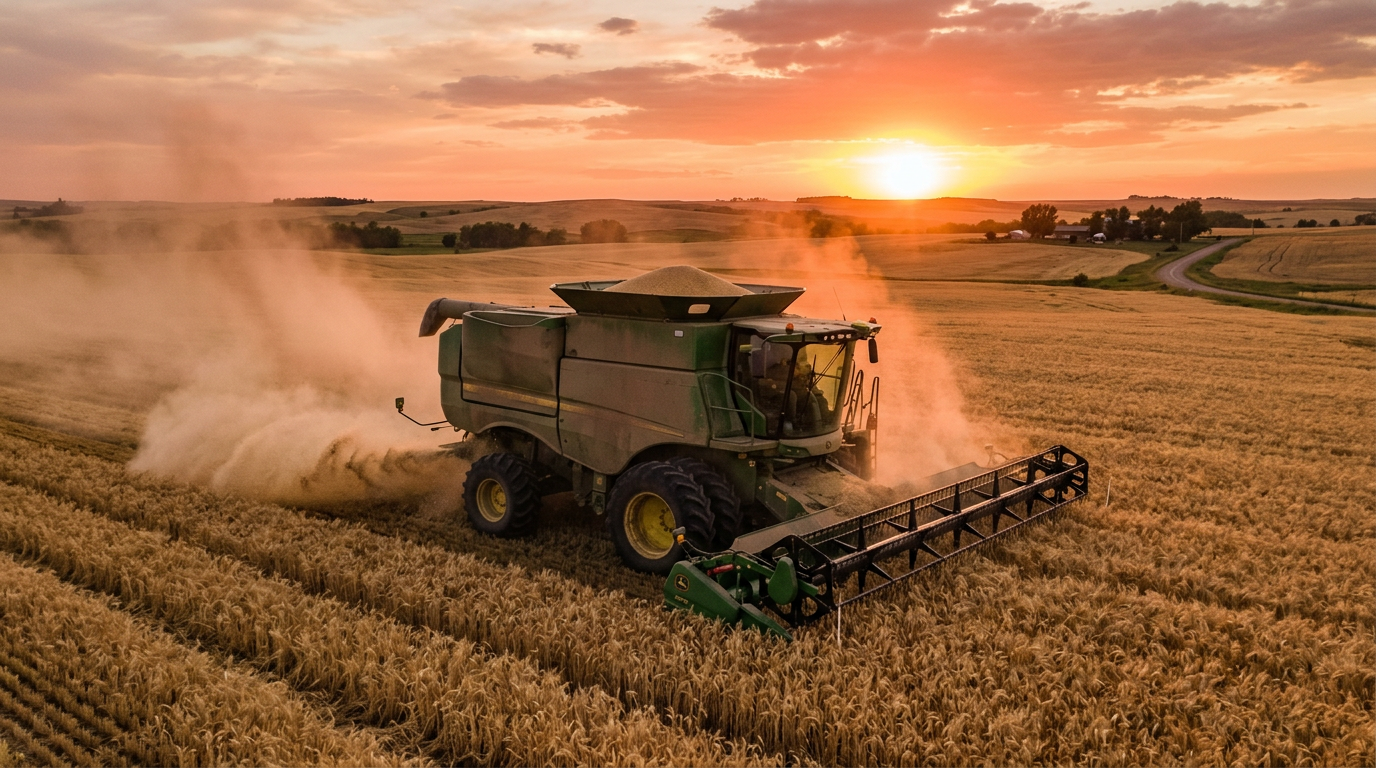
For a decade, the combine market moved in one direction: bigger. Flagship Class 9 and Class 10 machines with 13-metre drapers became the standard on large grain farms. This harvest, dealers say, the momentum has shifted back toward the middle of the range.
The reasons are practical. Commodity prices have softened while interest rates remain elevated, making a flagship combine a harder number to justify. At the same time, finding experienced operators has become the limiting factor for many operations, and two mid-size machines can keep harvesting when one breaks down.
What buyers are trading
Farmers moving down a class report giving up some capacity per hour but gaining flexibility in field size, road transport, and resale. Several manufacturers have responded by bringing flagship features like automated threshing adjustment and yield mapping to their Class 7 models.
“I'd rather have two machines I can staff than one I can't. When the weather window is three days, redundancy is worth more than capacity.”
Used flagship prices are softening as a result, which some analysts expect will pull buyers back up-market within a season or two.
- Combines
- Harvest
- Farm economics